
Explore Our Services
Educational consulting and individually curated support from Early Education through College & Career designed to help all clients successfully navigate towards their future goals by empowering minds and building futures.

IEEs and Psychological Assessments
A general psychological or psychoeducational evaluation includes testing for the purpose of:
1) Identifying educational disabilities and/or psychological disorders and developmental disabilities.
2) Understanding each client’s unique profile of strengths and weaknesses in order to best implement a plan for increasing success in a variety of settings.
Potential identification of disabilities includes (but is not limited to):
ADHD (to include Adult ADHD)
Autism Spectrum Disorder (ASD)
Learning Disabilities (to include Dyslexia)
Intellectual Disability
Anxiety/Depression (related to academic access and performance)
Emotional Disturbance
****The fee is dependent on referral reason, level and scope of complexity, intent of use of information, and age of client.


Standard Psychological or Psychoeducational Assessment: $3500-$5500
Appropriate for special education eligibility, DSM -5 TR eligibility of Autism Spectrum Disorder (ASD) or ADHD diagnosis. Cost depends on number of assessments required, number of observations, amount of collaboration with additional professionals, etc.
Limited scope assessments: $1500-$2000
For use of self awareness of strengths and weaknesses, stand alone IQ or academic testing (to include Gifted Testing), Executive Function (EF) skill deficit, career, college accommodations, and vocational educational assessment
Independent Educational Evaluations (IEEs) function like a “second opinion” and are paid for by the local school district when a parent disagrees with an assessment conducted by their child’s school team. Dr. Miles has over 25 years of working with school districts and understands the requirements for an IEE, yet is focused solely on the child’s educational needs, rather than issues that often arise with conditions present at the current school site.
Assessment Components Can Include:
In-depth interview with the client or guardian to gather relevant history
In-person psychological testing which may address (as relevant): intellectual functioning and adaptive skills, academic skills, social-emotional functioning, executive functioning, and behavioral challenges
Observations (if relevant) of client in educational or other community setting
Gathering of rating scales from client, guardian, caregiver, teachers, other relevant individuals with knowledge of the client
Scoring of protocols
Synthesis and write up of report, to include any relevant Educational Code Special Education eligibility and/or Diagnostic Codes for DSM-5 TR.
Full review with client or guardian of assessment results, recommendations, strategies, and community resources.
IEP attendance


Executive Function Coaching &
Social Skills Training
Executive Function Coaching - Executive function coaching is educationally-based counseling that specifically targets behaviors related to executive function challenges. Coaching can aid with attention, memory strategies, study skills, time management, goal setting and implementation, planning and organization, test-taking strategies, problem-solving, self-awareness (motivation, emotional awareness) and flexible thinking. It addresses the academic, vocational, emotional, and interpersonal difficulties resulting from challenges in the area of executive functioning. It can be short-term to learn skills or utilized long-term for support and accountability. Coaching services can be used as a stand-alone approach or complement separately contracted psychotherapy and medication management.
Executive Function Coaching can provide support to a variety of people with a number of psychiatric and developmental disorders. We often recommend Executive Function Coaching for individuals with: Executive Function Deficit, Attention Deficit Hyperactivity Disorder (ADHD), Autism Spectrum Disorder (ASD), Anxiety, Depression and Mood Disorders, Learning Disabilities (LD), Epilepsy, Seizures, Tourette’s Syndrome and Tic Disorders. It works best for children at least in the late elementary years and adults who are aware that they need help and feel ready to make a change. Parents of younger children may benefit from education, support, and learning strategies to help their children through parent counseling.
Social Skills Training - As a Licensed Educational Psychologist, I provide specialized social skills training for individuals of all ages navigating challenges with social-emotional reciprocity and competency. My evidence-based approach helps clients decode social cues, build meaningful relationships, and develop the confidence needed to thrive in social environments. Together, we work on practical, real-world strategies to foster authentic connection and emotional growth. I currently support individuals ages 6 through 45.
Individual sessions available in person and virtually: $125/hour




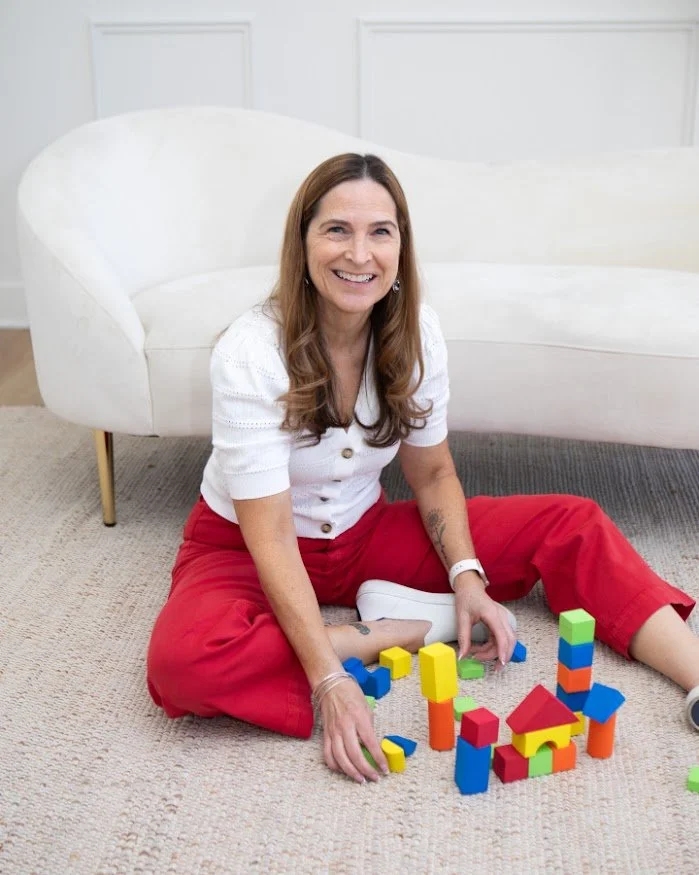
Dr. Miles brings a unique blend of professional expertise and real-world experience to her social skills counseling and executive function coaching. Her easy demeanor allows her to connect naturally with clients as young as 3 and through into young adulthood.
As a former kindergarten teacher, she understands early childhood development. Her background includes working in public schools, nonpublic schools, and residential treatment centers. This diverse experience gives her a deep understanding of the full developmental lifespan and its unique concerns.
As a mom of two teens, Dr. Miles also understands the daily joys and challenges of raising children today. She meets young people exactly where they are to guide them toward success.
Family Advocacy & Parent Training
Are you frustrated by the IEP or 504 process?
Not sure if your child needs special education services?
Need an advocate to attend school meetings to discuss special education?
Dr. Miles has attended thousands of IEPs and has the skill set and legal knowledge to help families make appropriate decisions for their child.
Perhaps most importantly, she also has the personal experience of having navigated the world of special education services as the mother of a child with special needs.